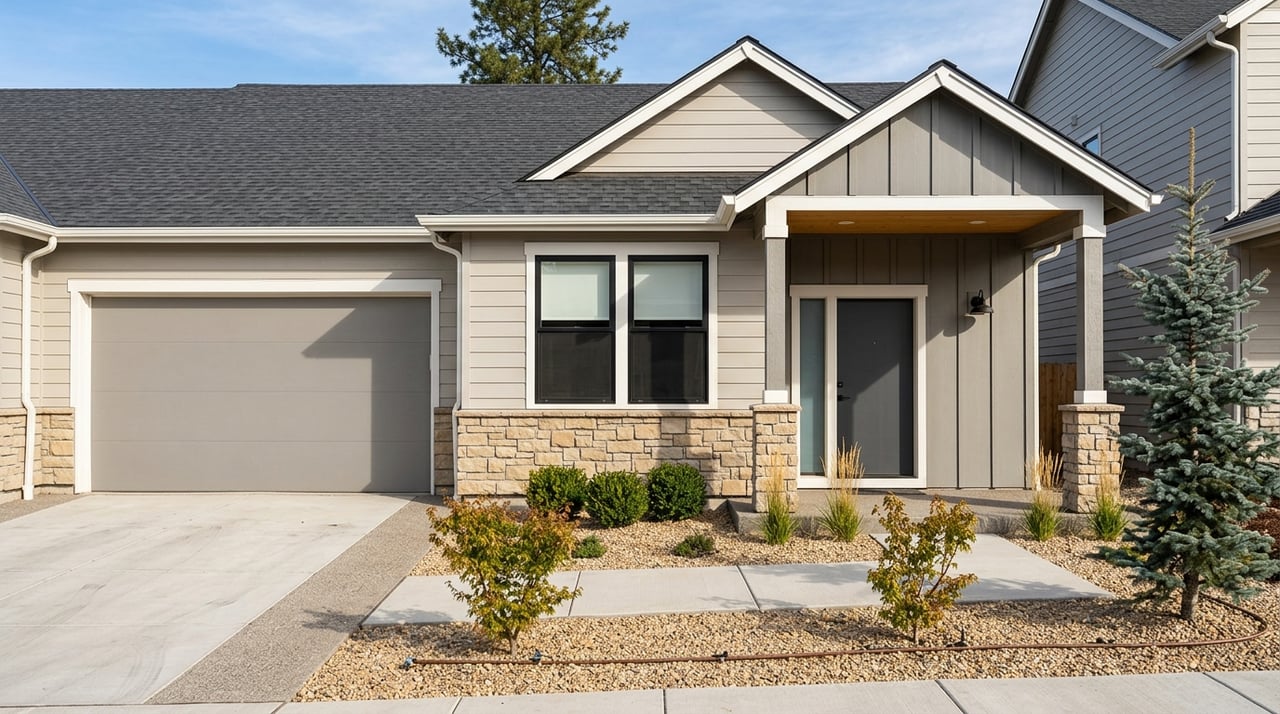
If you want more time to enjoy Westminster and less time worrying about yard work, exterior repairs, or weekend upkeep, low-maintenance living can be a smart move. Whether you are buying your first home, planning a downsize, or simply looking for a simpler day-to-day routine, it helps to know that not all condos, townhomes, and HOA communities work the same way. This guide will walk you through the main low-maintenance housing options in Westminster, what costs to expect, and what to review before you buy. Let’s dive in.
Why Westminster Fits Low-Maintenance Living
Westminster offers a lifestyle that pairs well with homes designed for easier upkeep. The city highlights more than 150 miles of multi-use trails, five regional trails, and access to Westminster Station and the B Line commuter rail, which can appeal if you want to spend less time on exterior chores and more time commuting, exercising, or enjoying the outdoors.
The city also has a broad mix of housing and household needs. According to the U.S. Census QuickFacts for Westminster, the population is 115,302, about 15.2% of residents are age 65 or older, the owner-occupied housing rate is 61.9%, and the median value of owner-occupied homes is $532,400. For many buyers, those numbers help frame why lower-upkeep ownership options are worth a close look.
Low-Maintenance Home Types
Low-maintenance living does not mean one specific kind of home. In Westminster, you may find that simpler ownership can come in the form of a condo, a townhome, or a smaller single-family home in a planned community.
Condos in Westminster
In Colorado, a condominium is a common interest community where part of the real estate is owned separately and the rest is owned in common by unit owners. In practical terms, that often means the association takes on more responsibility for shared spaces and exterior elements, while you remain responsible for your unit unless the declaration says otherwise.
That setup can be appealing if you want less hands-on exterior maintenance. It can also mean your monthly budget includes HOA dues that help cover shared costs, and in attached communities, Colorado notes that association insurance claims may come into play after events like hail damage.
Townhomes and Why Ownership Structure Matters
A townhome may look like the perfect middle ground between a condo and a detached house, but appearance does not tell the full story. Colorado HOA guidance explains that a community’s classification is based on ownership structure, not physical style, so a property that looks like a townhome may legally be a condominium or a planned community.
That matters because ownership and maintenance responsibilities can differ from one community to another. Before you buy, it is important to verify exactly how the property is legally structured and what the governing documents say about repairs, insurance, common areas, and owner obligations.
Smaller Homes in Planned Communities
Some buyers want the feel of a detached home without taking on full exterior upkeep. In Colorado, a planned community is a common interest community that is not a condominium or cooperative, and these communities often include single-family houses where the owner owns the home and a small surrounding area.
This can still support a low-maintenance lifestyle if the HOA handles certain shared responsibilities. Depending on the community, dues may help cover landscaping, snow removal, or upkeep of common areas, which can reduce how much routine exterior work falls on you.
What Low-Maintenance Really Means
Low-maintenance does not mean no maintenance. It usually means some tasks shift from the individual homeowner to the homeowners association, and those services are funded through regular dues and, sometimes, special assessments.
Colorado explains that regular HOA assessments may be monthly, quarterly, or annual. They may cover maintenance, landscaping, legal fees, registration fees, insurance, and other operating costs. Special assessments are different and may be used for repairs, replacements, new construction, or reserve funding.
This is why the monthly payment on a low-maintenance property should be viewed as more than principal and interest alone. In Westminster, the Census benchmark for median selected monthly owner costs is $2,252 with a mortgage and $673 without one, which gives you useful context as you compare home prices, dues, and overall affordability.
Costs to Compare Before You Buy
When you are choosing between a condo, townhome, or smaller detached home, it helps to compare the full monthly picture. A property with a higher HOA fee is not always more expensive in real life if it reduces your out-of-pocket maintenance costs or includes services you would otherwise pay for yourself.
Here are a few cost categories to review:
- Mortgage payment
- HOA dues
- Property taxes
- Homeowners insurance
- Utilities
- Expected maintenance not covered by the HOA
- Possible future special assessments
A lower list price does not always mean a lower long-term cost. The best fit is usually the property that aligns with both your budget and the amount of upkeep you actually want to handle.
HOA Documents Matter More Than Buyers Expect
One of the biggest mistakes buyers make is assuming all HOA communities operate in a similar way. In Colorado, there is no central repository for HOA governing documents, which means careful review during the contract period is important.
Once you are under contract, buyers are entitled to the documentation listed in Section 7 of the Colorado Contract to Buy and Sell. That can include governing documents, budgets, insurance information, and recent meeting minutes. These records can help you understand not only what the HOA covers today, but also whether a special assessment or major project may be on the horizon.
Key Questions to Ask
When reviewing a Westminster condo, townhome, or planned community, consider asking:
- What exactly does the HOA maintain?
- What parts of the property are your responsibility?
- How often are dues paid?
- Has the community had recent special assessments?
- Are reserves funded at a level that supports future repairs?
- What does the association’s insurance cover?
- Are there meeting notes that mention upcoming projects or budget concerns?
These questions can give you a clearer picture of what “low-maintenance” really looks like in that specific community.
Outdoor Upkeep Can Still Be Flexible
If you want easier yard care but still value some outdoor space, planned communities and certain attached homes may offer a good balance. Colorado law also states that an association may not prohibit xeriscape or drought-tolerant landscaping on property the owner is responsible for, including limited common elements.
That can be helpful if you want to reduce watering needs and ongoing yard work. It is still important to confirm the exact community rules and approval process, but this protection can support a simpler and more efficient outdoor setup.
Who Benefits Most From Low-Maintenance Homes
A low-maintenance property can work well for many kinds of buyers. First-time buyers may appreciate a simpler exterior care routine while they get comfortable with homeownership. Busy professionals may want a home that leaves more room for work, travel, or recreation.
These homes can also be worth exploring if you are downsizing or thinking ahead about future mobility and household responsibilities. Because Westminster has a range of ownership options and a notable share of residents age 65 or older, many buyers are looking for homes that support comfort, convenience, and manageable monthly obligations.
Why the Right Guide Helps
Choosing a low-maintenance home is about more than finding the right floor plan. You also need to understand ownership structure, monthly costs, association responsibilities, and how the property may fit your lifestyle over time.
That is where an agent with the right experience can make a real difference. The Seniors Real Estate Specialist designation is a REALTOR credential focused on serving clients over 50, with training that covers housing options, aging in place, downsizing, reverse mortgages, and later-life transitions. For buyers comparing Westminster condos, townhomes, or smaller homes in planned communities, that kind of perspective can be especially helpful when balancing today’s wants with future needs.
If you are weighing low-maintenance living in Westminster, Kathryn Tighe offers calm, knowledgeable guidance to help you compare options, review the details carefully, and choose a home that fits your budget and lifestyle.
FAQs
What does low-maintenance living in Westminster usually mean?
- Low-maintenance living usually means some exterior care, shared-area upkeep, or landscaping is handled through an HOA instead of entirely by you.
What is the difference between a Westminster condo and a townhome?
- In Colorado, the legal ownership structure matters more than appearance, so a home that looks like a townhome may legally be a condominium or a planned community.
What do HOA dues in Westminster communities typically cover?
- Colorado says HOA assessments may cover maintenance, landscaping, insurance, legal fees, registration fees, and other operating costs, but coverage varies by community.
Why should Westminster buyers review HOA documents carefully?
- HOA documents can show what the association maintains, how finances are managed, what insurance is in place, and whether special assessments or major projects may be coming.
Are smaller single-family homes in Westminster ever low-maintenance?
- Yes, some smaller homes in planned communities can offer a lower-upkeep lifestyle if the HOA handles services like snow removal, landscaping, or common-area maintenance.
Can Westminster homeowners use drought-tolerant landscaping in HOA communities?
- Colorado law says an association may not prohibit xeriscape or drought-tolerant landscaping on property the owner is responsible for, including limited common elements.