If you are considering a move to Arvada, Colorado, you are probably looking at more than bedrooms, bathrooms, and square footage. You are also trying to picture what everyday life will feel like.
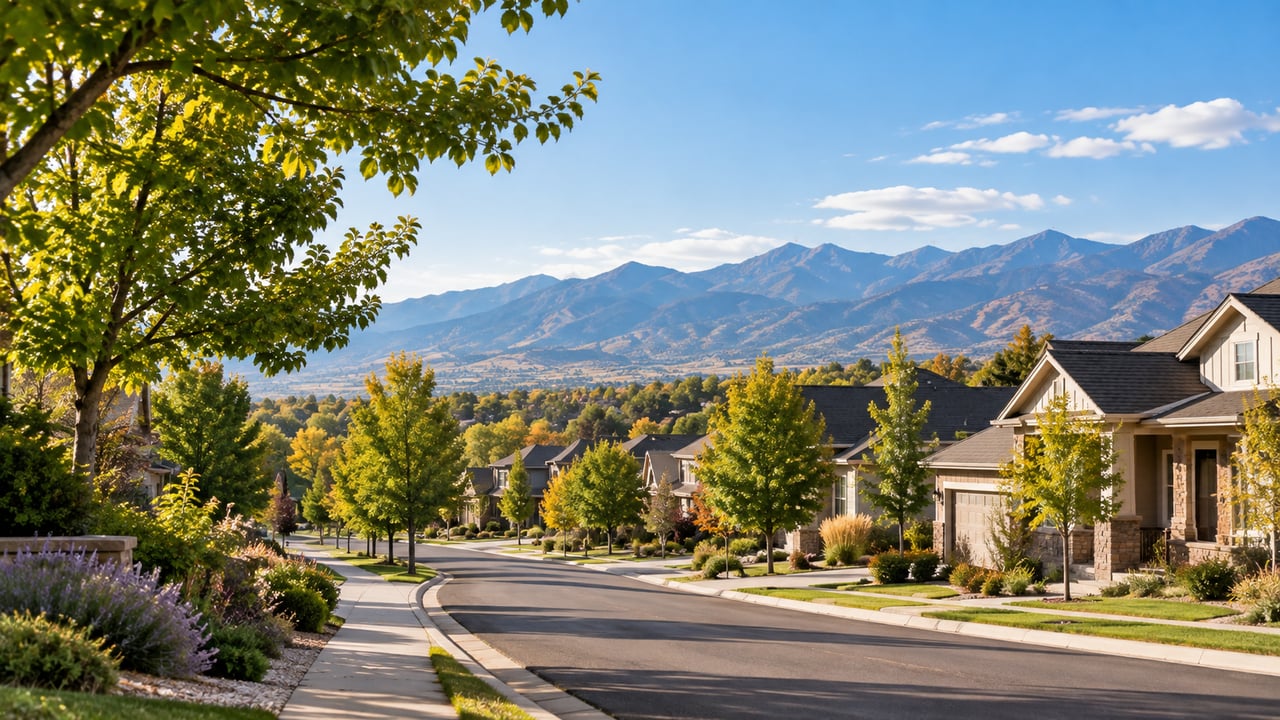
Arvada sits northwest of Denver and stretches from established neighborhoods near Olde Town toward newer communities closer to the foothills. That range is part of what makes the city interesting for homebuyers: different parts of Arvada can feel surprisingly different from one another.
I grew up in this area, and one of the things I appreciate about helping buyers here is being able to explain those differences. The best Arvada neighborhood for one buyer may not be the best fit for another. Here are some of the things worth understanding before you start narrowing down your home search.
Arvada Offers Several Different Versions of Suburban Living
One of the first things buyers notice is that “Arvada” is not one single type of neighborhood.
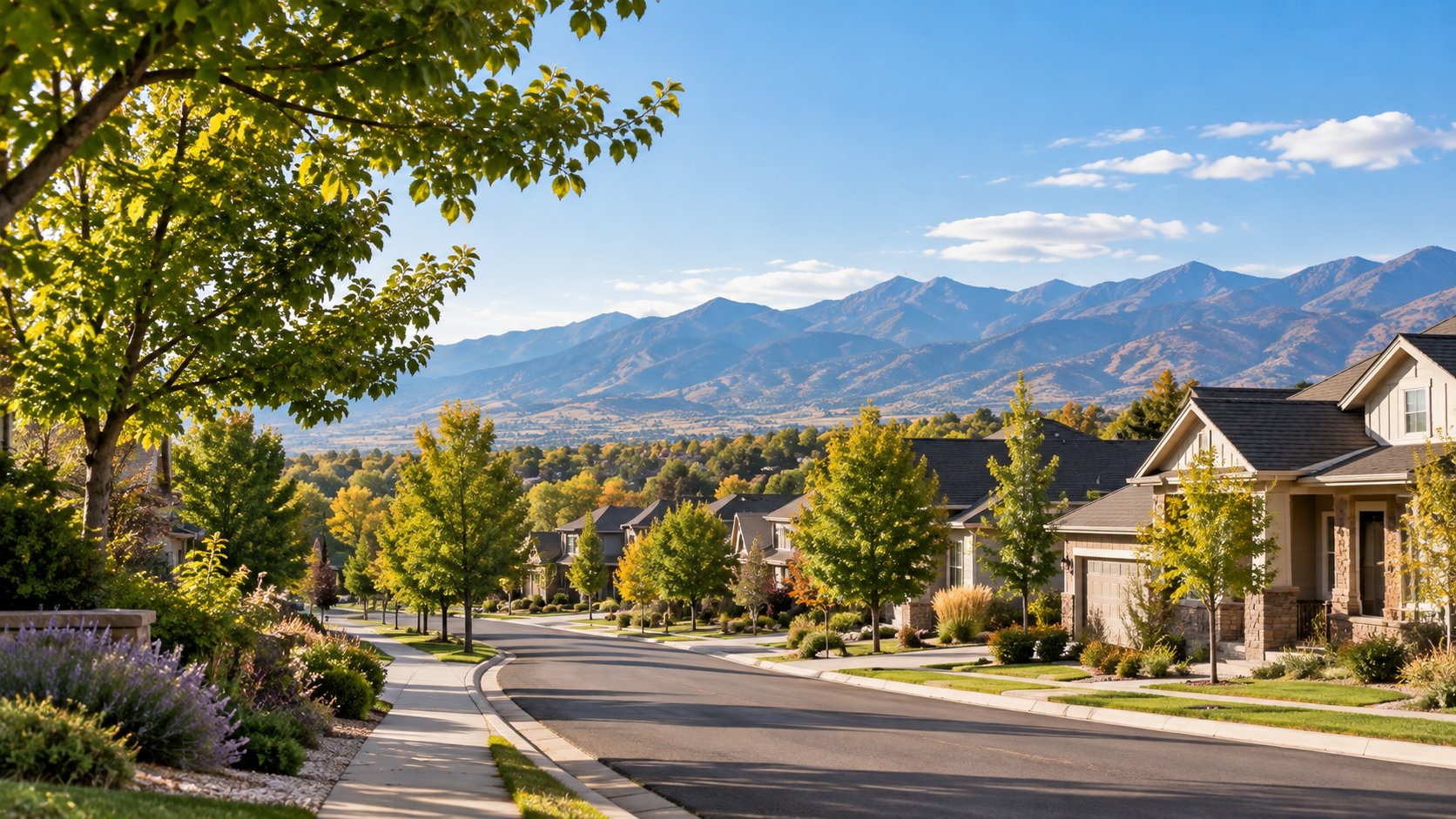
Closer to Olde Town, you will find established streets, older homes, mature trees, smaller lots in some areas, and easier access to restaurants, shops, events, and transit. Move farther west and northwest and the landscape changes. You will see newer construction, larger planned neighborhoods, foothill views, more open space, and homes built in very different eras.
That variety gives buyers options, but it also makes hyperlocal knowledge important. Two homes with an Arvada mailing address can offer very different commutes, neighborhood layouts, home styles, HOA structures, and access to amenities.
Olde Town Gives Arvada a True Downtown Center
Historic Olde Town Arvada is one of the city’s most recognizable areas. It combines residential living with restaurants, local businesses, shopping, events, and public gathering spaces. The historic district is listed on the National Register of Historic Places.
For buyers who like the idea of being able to meet friends for dinner, attend a community event, or spend an afternoon walking around a downtown district without heading into central Denver, proximity to Olde Town can be a meaningful lifestyle factor.
Olde Town is also served by RTD’s G Line commuter rail, which connects the area with the broader metro transit network. If transit is important to you, it is worth looking at the actual distance and route from a potential home to the station rather than assuming every Arvada neighborhood offers the same access.
Parks, Trails and Open Space Are a Big Part of the Lifestyle
Outdoor access is one of Arvada’s strongest lifestyle features. The City manages a park, trail, and open-space system covering about 4,200 acres, with more than 90 neighborhood parks and roughly 150 miles of trails. The City reports that 96% of residents live within a 10-minute walk of a park.
Ralston Creek Trail is one of the city’s signature routes, connecting parks and open spaces across Arvada. Little Dry Creek Trail and Van Bibber Creek Trail add more options for walking, biking, and getting outside without having to drive into the mountains.
For buyers who value trails, parks, playgrounds, open space, or simply having somewhere nearby to walk the dog, I recommend looking at the trail map alongside the home listings. A property that is technically close to a trail may have very different access than one with an easy neighborhood connection.
You Can Be Close to Denver Without Living in Denver
Arvada appeals to many buyers who want access to Denver while preferring a suburban home base. Depending on where you live and where you work, you may have several ways to get around, including major roads and commuter rail from Olde Town.
But commute time is extremely location-specific. A home in southeast Arvada can create a very different daily drive than a home farther west near the foothills. Traffic patterns also matter.
If commuting is part of your routine, test the drive at the time you would actually make it. Online estimates are useful, but there is no substitute for seeing how a route feels on a weekday morning or afternoon.
The Housing Stock Varies More Than Many Buyers Expect
Arvada’s housing includes mid-century homes, ranches, split-levels, townhomes and condos, remodeled older properties, newer subdivisions, and larger homes in communities farther west.
That means buyers should think about more than architectural preference. Older homes may offer established neighborhoods and mature landscaping but can come with different maintenance considerations. Newer homes may offer modern layouts and systems but could include HOA rules, smaller lots, or different neighborhood density.
Neither is inherently better. The question is which tradeoffs fit your priorities and budget.
Neighborhood Feel Changes as You Move Across the City
Some buyers want to be close to Olde Town and activity. Others want a quiet residential street, trail access, a larger yard, newer construction, mountain views, or easier access toward Golden and the foothills.
This is why I encourage buyers to explore Arvada before becoming attached to a specific house. Drive through the neighborhood during the day and again in the evening. Visit the nearest park. Try the commute. See where you would buy groceries or grab coffee. Walk a few blocks.
The goal is to understand whether the neighborhood works for your real life — not only whether the home photographs well online.
What About Schools?
Schools are an important consideration for many buyers, but your real estate agent should not tell you which schools are “good” or steer you toward or away from a neighborhood based on protected characteristics.
Instead, buyers should review the school and district information that matters to them directly. Boundaries and enrollment policies can change, so verify the assigned schools for a specific property with the appropriate school district rather than relying only on a real estate listing.
A Few Practical Things to Check Before Buying in Arvada
Once you have identified an area you like, look carefully at the details of the specific property and neighborhood. Depending on the home, that may include HOA documents and fees, property taxes, insurance, age and condition of major systems, planned nearby development, parking, trail access, and commute routes.
If you are considering a property closer to open space or the western edge of the city, you may also want to ask your insurance professional about property-specific risks and coverage. The right questions depend on the location.
These details are not meant to make the process complicated. They are how you make sure the lifestyle you imagine matches the home you are actually buying.
Is Arvada a Good Place to Live?
That depends on what you want from your next community.
For buyers who value access to Denver, a distinct historic downtown, extensive parks and trails, established neighborhoods, newer housing options, and proximity to the foothills, Arvada can offer a compelling combination.
But I would never recommend choosing a city because it appears on a generic “best places to live” list. The better question is: Does Arvada fit the way you want to live?
That is where working with someone who knows the area can be especially helpful. I grew up here, and I can help you compare not only houses but the neighborhoods and day-to-day lifestyle surrounding them.
Thinking About Moving to Arvada?
If Arvada is on your list, I would be happy to help you narrow down which parts of the city make the most sense for your priorities, budget, commute, and lifestyle. We can look at the bigger picture first — then find the homes that fit it.
CTA Button: Explore Homes in Arvada
Frequently Asked Questions
What is it like living in Arvada, Colorado?
Arvada combines established suburban neighborhoods, newer communities, a historic downtown district, extensive parks and trails, and access to the Denver metro area and foothills. The lifestyle varies considerably depending on which part of the city you choose.
Does Arvada have a downtown area?
Yes. Historic Olde Town Arvada includes restaurants, shops, events, residential areas, and public gathering spaces. It is also served by RTD’s G Line commuter rail.
Does Arvada have good access to parks and trails?
Arvada has an extensive outdoor system. The City reports about 4,200 acres of parks, trails and open space, more than 90 neighborhood parks, and approximately 150 miles of trails.
Can you commute from Arvada to Denver?
Many Arvada residents commute into Denver and other parts of the metro area. Options vary by neighborhood and can include driving and commuter rail from Olde Town. Buyers should test their specific commute during normal travel times.
What should I consider when choosing an Arvada neighborhood?
Consider your budget, commute, desired home age and style, lot size, HOA preferences, access to trails and parks, proximity to Olde Town or other amenities, and how the neighborhood feels at different times of day. School information should be verified directly with the appropriate district.