If you have ever searched Lakewood homes and wondered why one block feels classic and spacious while another feels newer, lower-maintenance, and closer to transit, you are not imagining it. Lakewood has a wide mix of home styles shaped by several decades of growth, and that variety can make your home search feel both exciting and overwhelming. The good news is that once you understand how Lakewood’s housing types connect to everyday living, it gets much easier to focus on what fits you best. Let’s dive in.
Why Lakewood Offers So Many Home Styles
Lakewood is a mature suburb with a large and varied housing stock. The city covers 43.47 square miles and includes 156,927 residents and 69,799 households, with an owner-occupied housing rate of 58.1%, a median owner-occupied value of $574,400, and a median gross rent of $1,806.
That broad housing mix shows up clearly in the numbers. About 47% of existing homes are detached single-family houses, about 11% are attached single-family homes or townhomes, and nearly 24% are multifamily buildings with 10 or more units. Mobile homes make up a small share at about 1.5%.
Lakewood also has homes from many eras. About 18% of the housing stock was built before 1960, roughly 40% was built in the 1960s and 1970s, about 25% in the 1980s and 1990s, and about 18% has been built since 2000. For you as a buyer, that means the city is less about one signature look and more about matching your lifestyle to the right part of town.
Older Ranch Homes and Everyday Flexibility
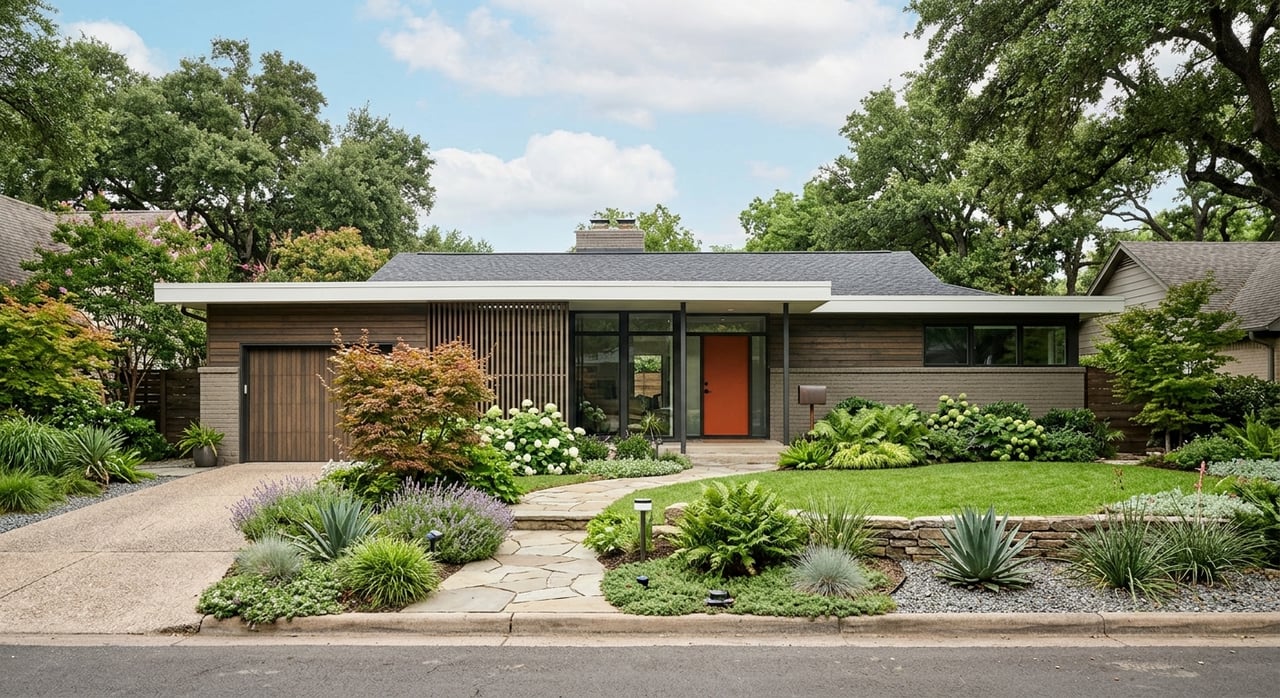
Some of Lakewood’s most recognizable homes are its mid-century ranches. The city’s preservation planning identifies ranch-style residential areas as a defining part of Lakewood’s history, and ranch neighborhoods appear throughout the city.
In practical terms, these homes often support a more traditional suburban routine. You may find larger yards, driveways and garages, and floor plans that give you room for a home office, hobby space, or flexible household needs. If you want a home where indoor and outdoor space both matter, this style is often a natural place to start.
Older neighborhoods in Lakewood also include split-level, bi-level, and two-story homes. In one surveyed Morse Park area, the average parcel size was 10,618 square feet, while in North Lakewood Heights-Hillcrest Acres, the average parcel size was 16,354 square feet. Those numbers help explain why many older areas can feel more spread out than newer attached-home clusters.
Split-Levels and Bi-Levels for Distinct Living Zones
Not every buyer wants a fully open layout or needs a much larger home to gain separation between spaces. In Lakewood, split-level and bi-level homes can offer a practical middle ground.
Because these layouts place living spaces on different levels, they often create more natural separation between activity areas and quieter areas. For some households, that can be helpful if you work from home, host guests often, or simply like a little more definition between daily routines.
This does not mean one layout is better than another. It simply means that if your day-to-day life works better with separate zones, these older Lakewood home styles may give you a lifestyle advantage that is easy to miss in an online search.
1960s and 1970s Homes Near Outdoor Access
Lakewood saw especially strong single-family development during the 1960s and 1970s. The city notes that much of the housing in Carmody, Kendrick Lake, Foothills, and Green Mountain was built during that period.
For many buyers, these neighborhoods stand out not just for the homes themselves, but for what surrounds them. Lakewood has 115 parks, 240 miles of trails, and more than 7,400 acres of open space. William F. Hayden Park on Green Mountain alone spans more than 2,400 acres, and Bear Creek Lake Park is another well-known outdoor destination.
If your ideal week includes trail running, biking, dog walking, or easy access to open space, these west and southwest Lakewood areas may line up well with your routine. The lifestyle here tends to center more on recreation and suburban breathing room than on dense, errand-on-foot convenience.
Green Mountain Lifestyle and Home Appeal
Green Mountain is one of the clearest examples of how home style and lifestyle can work together in Lakewood. Much of the housing dates to the strong single-family era of the 1960s and 1970s, and the nearby open space gives the area a distinctly outdoors-oriented feel.
For you, that can translate into a daily rhythm that feels active and grounded. Instead of prioritizing being near the busiest commercial corridor, you may be prioritizing trail access, scenic surroundings, and a more residential setting.
That kind of fit matters. A home can look great on paper, but if the neighborhood pattern does not support how you actually want to spend your mornings, evenings, and weekends, it may not feel right once you move in.
Townhomes and Condos for Lower-Maintenance Living
Lakewood is not just a city of older detached houses. In recent years, its housing pipeline has leaned heavily toward attached and multifamily homes.
From 2017 through September 2022, about 78% of new residential permits were for multifamily housing and about 16.6% were for attached single-family units. Since 2000, most new housing in Lakewood has been attached single-family or multifamily, except in Rooney Valley and Grant Ranch.
For buyers who want less exterior maintenance and a more streamlined day-to-day setup, this matters. Townhomes and condos often offer smaller private outdoor areas, but they can also reduce the amount of upkeep tied to a larger lot and detached structure.
West Colfax Living and Transit Access
If you want a home that connects more easily to transit and mixed-use areas, West Colfax and nearby station areas deserve attention. Lakewood says West Colfax and the station areas are zoned for higher-density, mixed-use, and transit-oriented development.
This part of the city also connects to the West Rail Line and multiple RTD bus routes. W Line stations in Lakewood include Lakewood-Wadsworth, Lamar, Garrison, Oak, and Federal Center. The city also notes that RTD buses and trains are wheelchair-friendly and include bike storage, which supports more flexible commuting options.
That can shape everyday life in very practical ways. If you value easier transit use, a shorter connection to rail, or being closer to arts and commercial corridors, attached housing near West Colfax may be a better match than a larger home farther from those features.
Arts, Access, and a More Connected Routine
Housing near West Colfax is not only about transit. The city describes the West Colfax corridor and adjacent West Rail Line area as a thriving historic area that includes the 40 West Arts District and the 4-mile 40 West ArtLine.
For some buyers, that creates a more connected lifestyle. You may be trading a larger yard for proximity to arts, commuting options, and a neighborhood pattern that feels more active and compact.
This is one of the biggest Lakewood tradeoffs to think through early. Do you want more private space and a quieter suburban setup, or do you want lower-maintenance living with easier access to rail, bus routes, and mixed-use corridors?
How to Match a Lakewood Home Style to You
The best Lakewood home style is usually the one that supports your real routine, not just your wish list. When you compare options, it helps to focus on how you live from Monday through Sunday.
Ask yourself questions like these:
- Do you want yard space for gardening, pets, or outdoor projects?
- Would separate living zones help with remote work or hosting guests?
- How important is quick access to trails, parks, and open space?
- Would you rather have less exterior maintenance?
- Do transit access and mixed-use areas matter to your commute or lifestyle?
When you answer those questions honestly, your search often narrows naturally. Older central and north Lakewood neighborhoods may make sense if you want classic single-family comfort, while Green Mountain and Foothills may fit if outdoor access is a top priority. If lower-maintenance living and easier transit use matter more, recent attached-home areas near West Colfax and W Line stations may be worth a closer look.
Why Lifestyle Fit Matters More Than Labels
It is easy to get stuck on labels like ranch, split-level, condo, or townhome. Those labels matter, but they do not tell the whole story.
What really matters is how a home supports your budget, your routines, and your next chapter. A ranch on a larger lot may be a great fit if you want flexibility and space, while a townhome may feel like a relief if you are prioritizing simplicity and location.
That is where local guidance can make a real difference. When you understand the patterns behind Lakewood’s housing mix, you can search with more clarity and less stress.
If you want help narrowing down which Lakewood home styles best match your goals, Kathryn Tighe can help you compare options with calm guidance, local insight, and a clear plan.
FAQs
What home styles are most common in Lakewood, Colorado?
- Detached single-family homes are the largest share of Lakewood’s housing stock at about 47%, followed by attached single-family homes or townhomes at about 11% and multifamily buildings with 10 or more units at nearly 24%.
What older home styles can you find in Lakewood neighborhoods?
- Many older Lakewood neighborhoods include ranch homes, split-levels, bi-levels, minimal traditional homes, and some two-story homes, especially in areas with mid-century development.
Which Lakewood areas may fit buyers who want outdoor access?
- Green Mountain and Foothills are strong areas to consider if you want a suburban home near trails, parks, and open space, including access to William F. Hayden Park on Green Mountain.
Where should you look in Lakewood for townhomes or condos?
- Attached homes and multifamily housing have been concentrated in newer development areas, especially near West Colfax, nearby station areas, and parts of northeast Lakewood.
Is Lakewood a good place to find lower-maintenance housing options?
- Lakewood offers a meaningful mix of townhomes, condos, and multifamily housing, and recent development has leaned strongly toward those lower-maintenance home types.
How do you choose the right Lakewood home style for your lifestyle?
- Start with your daily routine by weighing space, yard needs, maintenance preferences, outdoor access, and transit priorities, then match those needs to the parts of Lakewood that best support them.