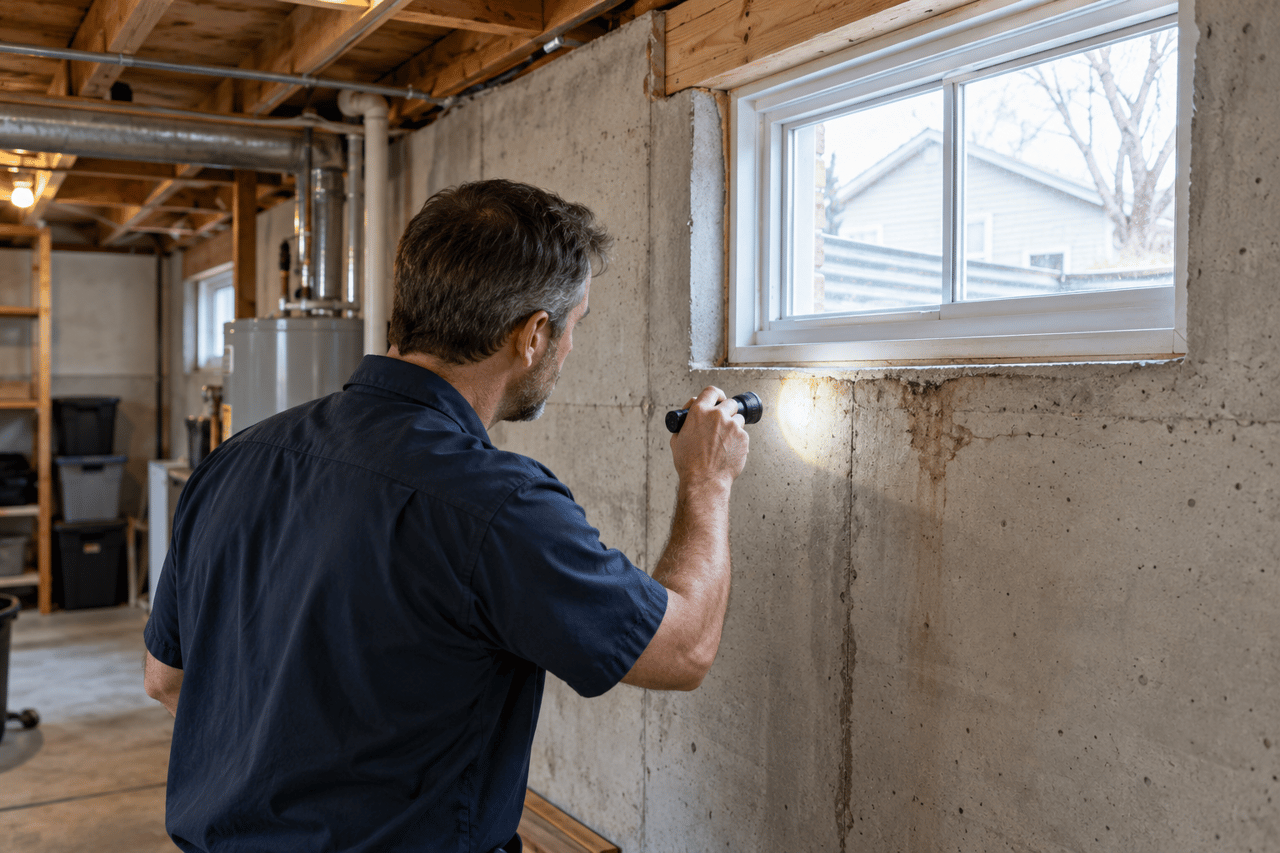
A home inspection can change how you feel about a house. The kitchen you loved is still there, but now you’re reading about a roof leak, an aging furnace, and a crack in the basement wall. Which findings deserve immediate attention, and which are ordinary maintenance?
For Colorado buyers, the most important red flags involve safety, water, structural movement, and expensive systems with an unclear condition. An inspection report helps identify concerns, but some findings need a specialist’s evaluation before you can make a confident decision. Here’s how I recommend approaching that next step.
Start with the scope of the inspection
A general home inspection evaluates accessible areas and systems. It cannot reveal every concealed defect or guarantee future performance. Read the agreement so you know what is included, what could not be inspected, and which services require a separate appointment.
Ask early about radon testing, a sewer scope, and any concerns that call for a roof specialist, electrician, or structural engineer. Scheduling these after the report arrives can leave little time before your contract deadlines.
Water stains and drainage problems
A stain on the ceiling deserves a question even if the surface feels dry. Ask where the water came from, whether the source was repaired, and what documentation is available. Fresh paint alone does not establish that a leak was fixed.
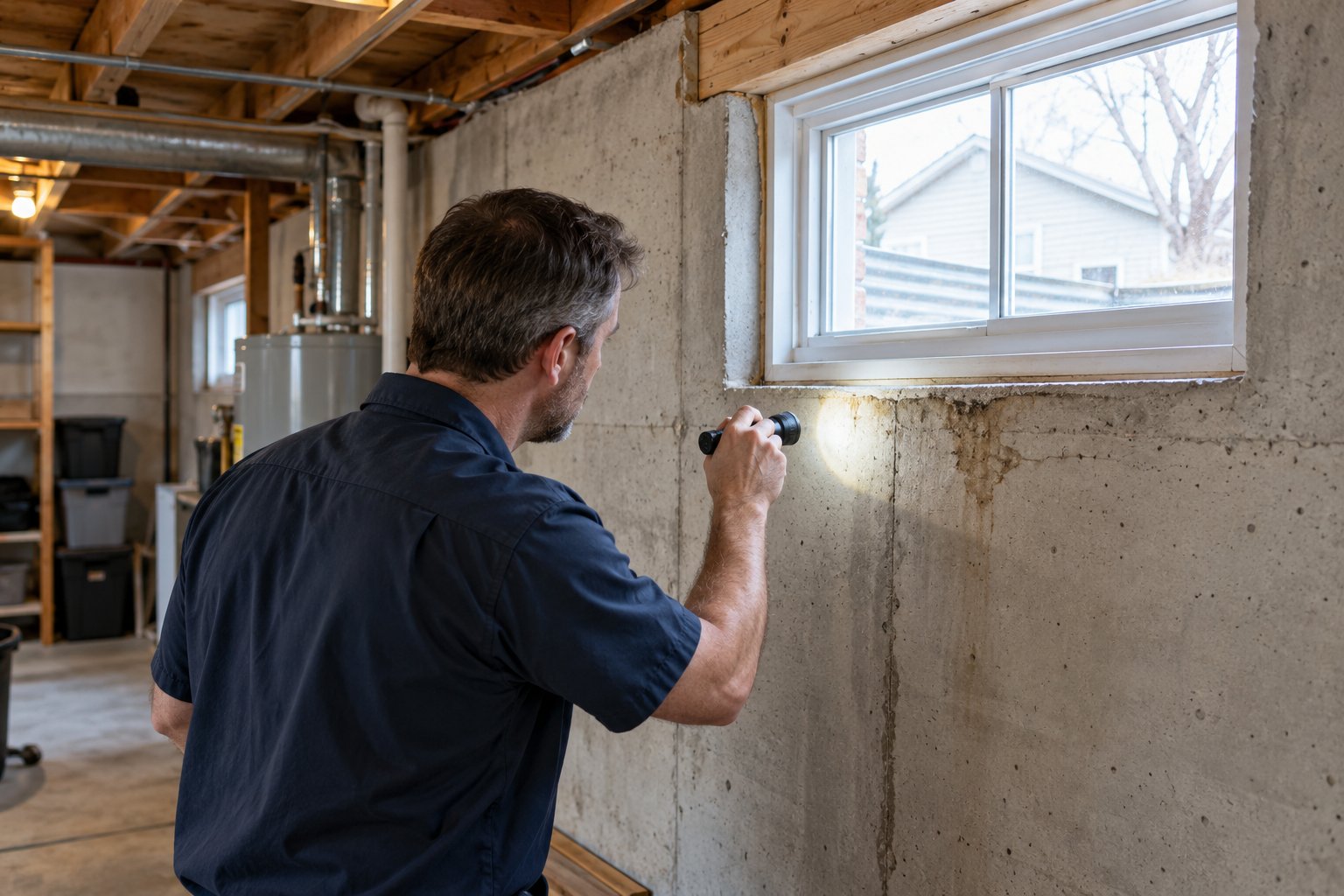
In basements and crawl spaces, pay attention to dampness, musty odors, staining, and signs of repeated patching. Outside, ask the inspector about ground sloping toward the foundation, overflowing gutters, and downspouts that discharge close to the house. Water entering from a plumbing leak and water entering because of poor drainage require different solutions.
If moisture damage or suspected microbial growth is reported, ask what additional evaluation is appropriate. A buyer should understand the source and extent of the problem before agreeing to a repair plan.
Foundation movement that needs an explanation
A small crack is not automatically a major structural problem. Its location, pattern, and relationship to other findings matter. Some Colorado properties have soils that can expand or contract with moisture changes, so a surface observation may not explain what is happening underneath.
Ask for further evaluation when the inspector flags displacement, uneven floors, sticking doors associated with movement, or recurring cracks. A qualified structural engineer can help distinguish a maintenance issue from a condition that needs a more substantial repair. Request available engineering reports and repair records rather than relying on verbal reassurance.
Roof damage and uncertain insurance coverage
Colorado buyers should ask specifically about hail damage, evidence of leaks, flashing, and the roof’s overall condition. A roof that looks acceptable from the yard may still need attention. Find out whether the inspector could access it and whether weather or safety conditions limited the assessment.
If concerns remain, arrange a roofing evaluation and request documentation for prior replacements or repairs. Contact your insurance provider before closing to discuss insurability, deductibles, and coverage for that property. Do not assume a seller’s policy or a recent repair guarantees the coverage you will receive.
Electrical and heating concerns
Exposed wiring, overheating evidence, unsafe panel conditions, and combustion or venting concerns deserve prompt professional attention. An appliance running during an inspection does not establish that it is safe or that it has years of service left.
Ask a licensed electrician or qualified heating contractor to evaluate the specific findings. Request a written explanation of the work needed and an estimate when possible. For older equipment, separate an immediate safety repair from a future replacement you may need to budget for.
Sewer problems that a general inspection may miss
A general inspection usually does not show the condition of the buried sewer line. A separate camera scope can help identify concerns such as roots, damaged sections, or obstructions, although access and visibility can limit the results.
If the scope identifies a problem, ask a qualified contractor to explain its location, repair options, and likely cost. Confirm whether the estimate includes excavation and restoring surfaces afterward. A short video and a vague recommendation to monitor the line may leave too much uncertainty for your purchase decision.
Radon requires testing
You cannot assess radon by a home’s appearance, age, or smell. The Colorado Department of Public Health and Environment encourages buyers to test during the inspection process. Ask whether testing is included or must be scheduled separately.
An existing mitigation system is useful information, but it does not replace checking the home’s current radon level. Review the test results with a qualified radon professional and ask about any recommended mitigation or follow-up testing. Build enough time into your inspection schedule to understand the results.
Use the findings to make a decision
Focus first on safety concerns, major repairs, and anything the inspector could not fully evaluate. Then consider how the remaining maintenance fits your budget and plans for the property. A long report is not necessarily a reason to walk away; unresolved risk and unaffordable repairs deserve more weight than the number of items listed.
Your options may include requesting repairs, negotiating an allowable credit, accepting the condition, or exercising a termination right if your contract provides one. The seller does not automatically have to fix every item. Repair terms should be specific and in writing, and credits must be coordinated with your lender.
Colorado contracts include inspection deadlines that can affect your options. Review the dates and notice requirements in your signed contract with your broker, and consult an attorney for legal questions. Do not wait until the final day to schedule follow-up evaluations.
Buying in Arvada or the Denver area
If you’re preparing to buy, I can help you plan the inspection timeline and organize the questions to ask after the report arrives. You’ll have a clearer picture of the home’s condition, the follow-up you need, and how the findings fit your priorities before deciding how to proceed.
Let’s talk about your Colorado home search and build a plan for evaluating the homes you’re considering.
Plan My Home Search
Frequently asked questions
Should I walk away if the inspection finds foundation cracks
Not automatically. Ask the inspector whether a structural engineer should evaluate the pattern, displacement, or related signs of movement. Base your decision on the findings, repair scope, cost, and your contract options.
Does a regular home inspection include radon testing
It may not. Confirm the scope with your inspector before booking and arrange a separate test if needed. Colorado health officials encourage testing during the inspection process.
Should I get a sewer scope when buying a home
Ask your inspector and broker whether it is appropriate for the property. A sewer scope can reveal conditions in the buried line that a general inspection usually cannot assess.
Does the seller have to repair everything in the report
No. Repairs and credits are negotiated, subject to your agreement and contract rights. Prioritize material concerns and use qualified evaluations to support specific requests.
How long do I have to request inspection repairs in Colorado
The dates and notice requirements depend on your signed contract. Review the Inspection Objection, Inspection Resolution, and any applicable termination deadlines with your broker before scheduling evaluations.