Wondering whether a historic home in Golden is a dream purchase or a bigger project than you want to take on? You are not alone. Many buyers love the charm, architecture, and sense of place these homes offer, but they also want clear answers about upkeep, renovation limits, and long-term value. This guide will walk you through what to look for, what to plan for, and how historic homes fit into Golden’s current market. Let’s dive in.
Golden’s historic homes have real variety
If you picture every older home in Golden looking the same, the reality is much more interesting. Golden’s housing story stretches back to the city’s founding in 1859 and its time as the territorial capital from 1862 to 1867. That long history shows up today in several historic areas, including the 12th Street Historic District, the 8th and 9th Street Historic District, and the East Street Historic District.
What you see on the ground is not one single architectural style. The 12th Street Historic District is known for well-preserved homes and strong examples of Victorian and Italianate architecture. In and around downtown, the built environment ranges from Victorian-era brick buildings to newer structures, while East Street includes historic farmhouses, neighborhood business buildings, and some of Golden’s earliest postwar subdivision homes.
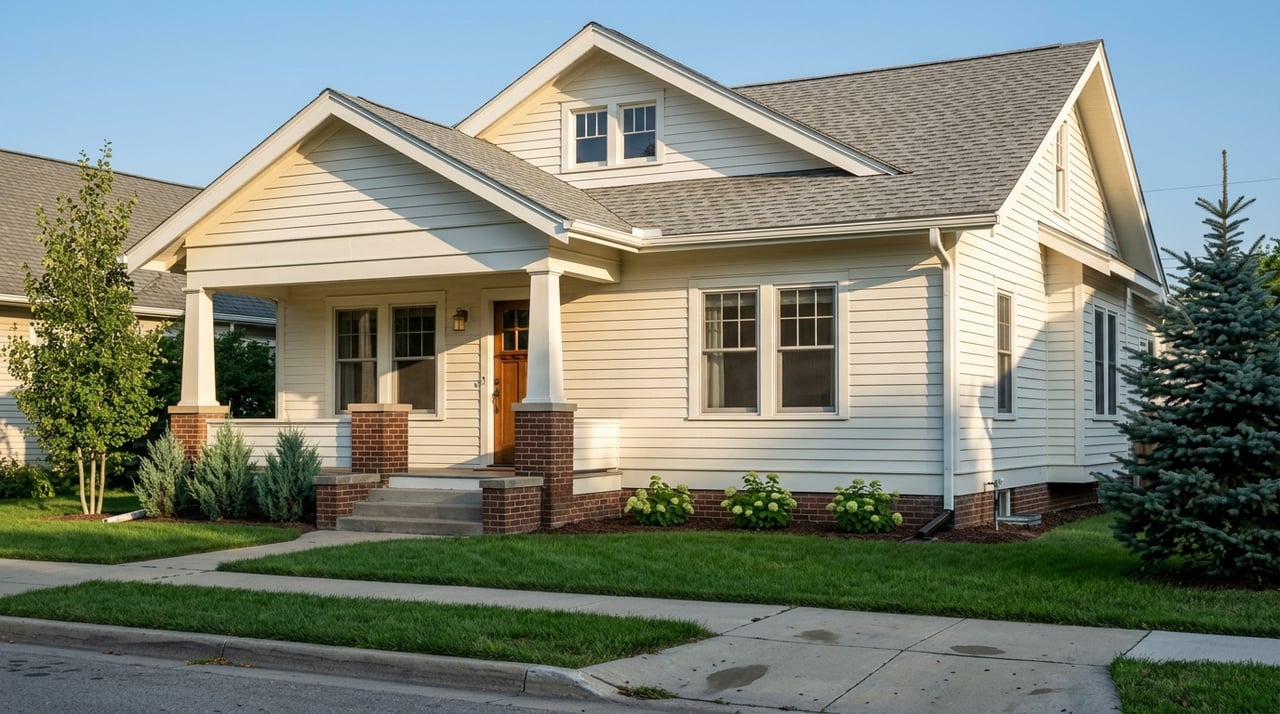
That mix matters when you start your home search. A historic home in Golden could be a classic Victorian, a farmhouse, a bungalow from the postwar era, or a house that has been altered over time. If you are comparing properties, it helps to judge each one on its own condition, history, and level of designation rather than assuming all older homes come with the same benefits or limitations.
Historic designation affects what you can change
One of the biggest questions buyers ask is simple: do all older Golden homes come with historic restrictions? The answer is no. Age alone does not determine whether a property is subject to local preservation review.
In Golden, local designation and district status matter most. The city regulates historic preservation through Chapter 18.58 of the municipal code and uses design guidelines plus Certificate of Appropriateness review for work in historic districts and on designated historic properties.
Some routine work may not require that review. According to the city’s guidebook, repainting with the same color, landscaping, and storm windows generally do not require a Certificate of Appropriateness. Additions, alterations, and other visible exterior changes often do.
This is where buyers need to slow down and ask good questions before closing. If you are hoping to add square footage, replace visible exterior features, or make major design changes, you will want to understand whether the home is in a district, whether it is designated, and what review may apply.
National or state listing is not the same thing
This point causes confusion for many buyers and sellers. A property that is listed on the National Register or State Register does not automatically face the same local restrictions in every situation. According to Colorado’s State Historic Preservation Office, listing by itself offers no automatic protection against alteration or demolition when a private owner is using private funds and local rules allow it.
That means local rules are still the key factor for most practical decisions. If you are buying in Golden, the city’s designation status and district rules will usually matter more to your renovation plans than a historic label alone. It is an important distinction because it affects both your flexibility and your timeline.
Older homes reward careful inspections
Historic charm is easy to notice. The costly issues are often less obvious. In older and historic buildings, moisture is one of the most important long-term concerns.
The National Park Service identifies uncontrolled moisture as the most common cause of deterioration in older and historic buildings. It can lead to rot, corrosion, erosion, and even structural damage. For buyers in Golden, that makes roof condition, drainage, flashing, basement dampness, and ventilation especially important during inspections.
If you are touring an older home, try to look beyond finishes and staging. Signs of staining, musty odors, peeling paint, sticking windows, or past patchwork around the foundation may point to moisture issues that deserve a closer look. A beautiful exterior does not always tell the full story.
Windows and doors may not need full replacement
Many buyers assume older windows automatically need to be removed and replaced. In historic properties, that is often not the preferred first step. Preservation guidance generally favors repair over replacement when possible.
The National Park Service notes that historic windows and doors can often be repaired or upgraded to improve energy efficiency. Regular maintenance, caulking, weatherstripping, and glazing repair may solve many performance issues without losing original character. Adding storm windows can also improve thermal performance while preserving the original assembly.
For you as a buyer, this creates a useful middle ground. You may be able to improve comfort and energy performance without taking on a full replacement project. That can help protect both the home’s look and your budget.
Remodeling can uncover older materials
If a home was built before 1978, lead-based paint is more likely to be present. The EPA notes that renovation work such as sanding, cutting, or window replacement can create hazardous lead dust. Older homes may also contain asbestos in materials such as floor tile, ceiling tile, insulation, or pipe wrap.
This does not mean you should avoid older homes. It does mean you should plan carefully before remodeling. If materials may be disturbed, trained professionals should evaluate the situation so you can make informed decisions about scope, timing, and cost.
That kind of planning is especially important if you are buying a home because you love its character but already have a renovation list in mind. The smartest approach is often to learn what is there first, then prioritize work in a way that protects both the home and your budget.
Energy updates can preserve character
You do not have to choose between comfort and historic appeal. Guidance from the Department of Energy and the National Park Service supports a whole-house approach that focuses on air sealing, insulation, moisture control, and ventilation, as long as the work does not damage historic materials or character-defining features.
In practical terms, that means thoughtful improvements often make more sense than wholesale replacement. If you own or buy a historic home in Golden, the goal is usually compatibility. You want upgrades that improve day-to-day living while respecting the details that made you love the home in the first place.
Golden buyers should research property history
A historic home often comes with a paper trail, and that can be surprisingly useful. Golden History Museum notes that property research in one of Golden’s three historic districts often starts with the City of Golden Planning Department and Jefferson County archives. Those records may help explain additions, alterations, and prior ownership.
For buyers, this background can answer practical questions. Was an addition likely original or added later? Have visible changes already gone through review? Does the house have a documented local history that may affect future decisions?
This kind of research will not replace inspections or city guidance, but it can help you understand what you are buying. It also gives you more context when comparing one historic property to another.
Historic value depends on condition and fit
Many people assume historic homes always command a premium. The research is more nuanced. Studies generally find that historic-district designation has a positive or neutral relationship with residential property values, but results vary by market.
That nuance matters in Golden. As of April 2026, Redfin reports a median sale price of $926,671 in Golden, with about five offers on average, about eight days on market, and 35.8% of homes selling above list price. That does not prove every historic home is worth more, but it does show that the broader market remains active.
In a market like this, buyers tend to respond well to homes that pair character with good stewardship. A historic home that retains its original feel while staying current on moisture control, roofing, windows, and major systems is often easier for buyers to embrace. A property with deferred maintenance or renovation plans that clash with preservation rules may draw a smaller pool.
What this means if you want to buy or sell
If you are buying, the right historic home can offer architecture, personality, and a strong sense of place that newer homes may not match. The key is to go in with open eyes. You want to understand designation, likely maintenance needs, and how much flexibility you will have for future updates.
If you are selling, presentation and preparation matter. Buyers are often drawn to original details and local history, but they also want confidence that the home has been cared for. Clear records, evidence of maintenance, and a realistic understanding of what updates were done can help your home stand out.
Whether you are buying or selling, the best outcomes usually come from balancing charm with facts. Historic homes in Golden can be deeply appealing, but the smartest decisions come from understanding the property, the rules, and the condition behind the curb appeal.
If you are thinking about buying or selling a historic home in Golden, Kathryn Tighe can help you evaluate property condition, neighborhood context, and market positioning with calm, knowledgeable guidance.
FAQs
Do older homes in Golden always have historic restrictions?
- No. Local designation and historic district status matter most. An older home is not automatically subject to the same preservation review just because of its age.
Can you modernize a historic home in Golden?
- Usually yes, but the best approach is often compatible improvement rather than wholesale replacement, especially for visible exterior features and original windows.
What should buyers inspect first in a Golden historic home?
- Moisture-related issues should be a top priority, including the roof, drainage, flashing, basement dampness, and ventilation.
Do historic homes in Golden always have higher resale value?
- Not always. Research suggests historic designation often has a positive or neutral effect on value, but condition, buyer demand, and renovation limits all play a role.
Why should buyers research a property’s history in Golden?
- Local records may help explain prior additions, alterations, ownership history, and whether changes may have gone through city review.